
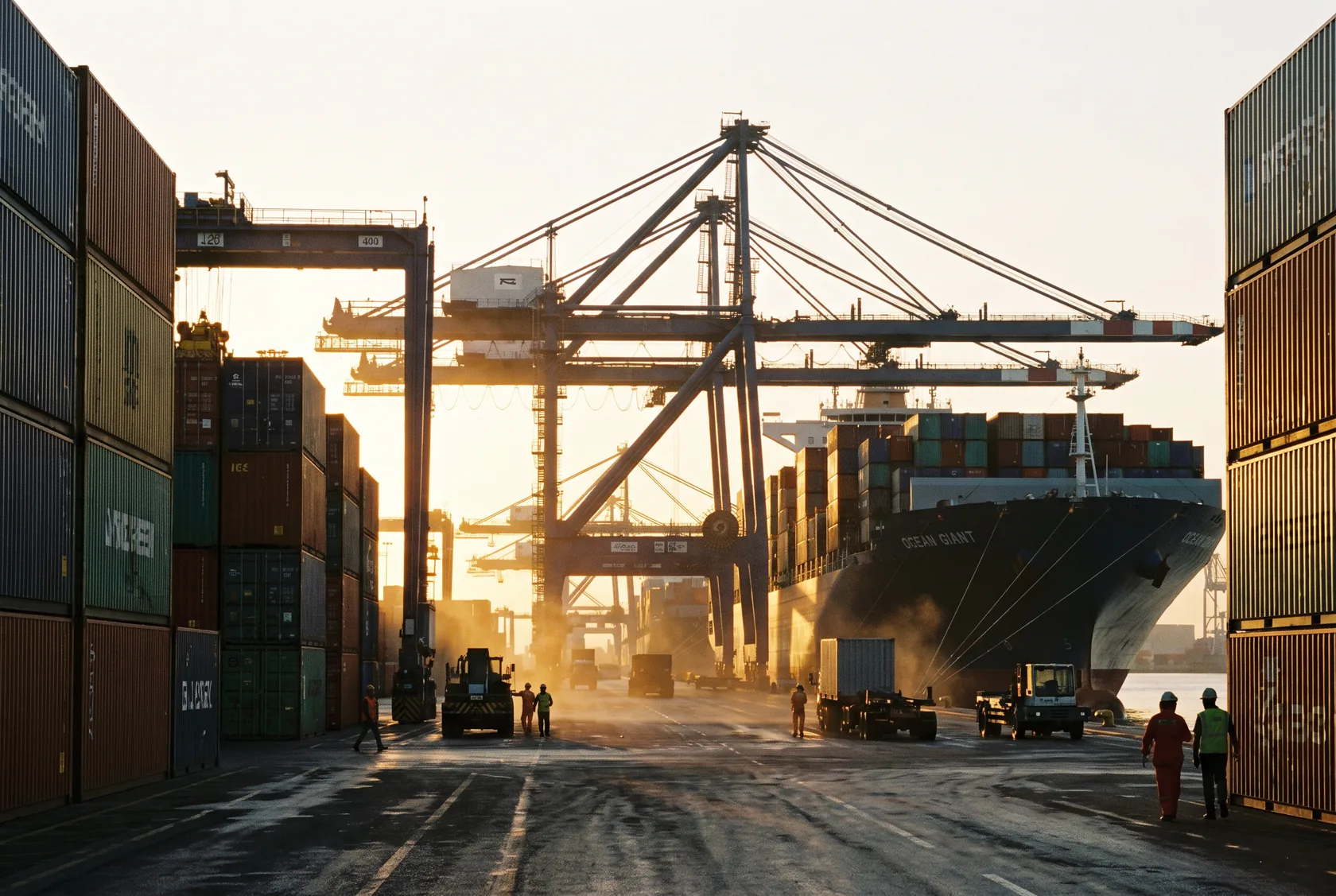
Ask a fabric buyer where Chinese upholstery textiles come from and the honest answer, for a large share of the market, is a single district in Shaoxing, Zhejiang province: Keqiao, home to what's generally described as the largest textile trading market in China, and one of the largest in the world by volume of fabric traded.
A market built on density, not a single factory
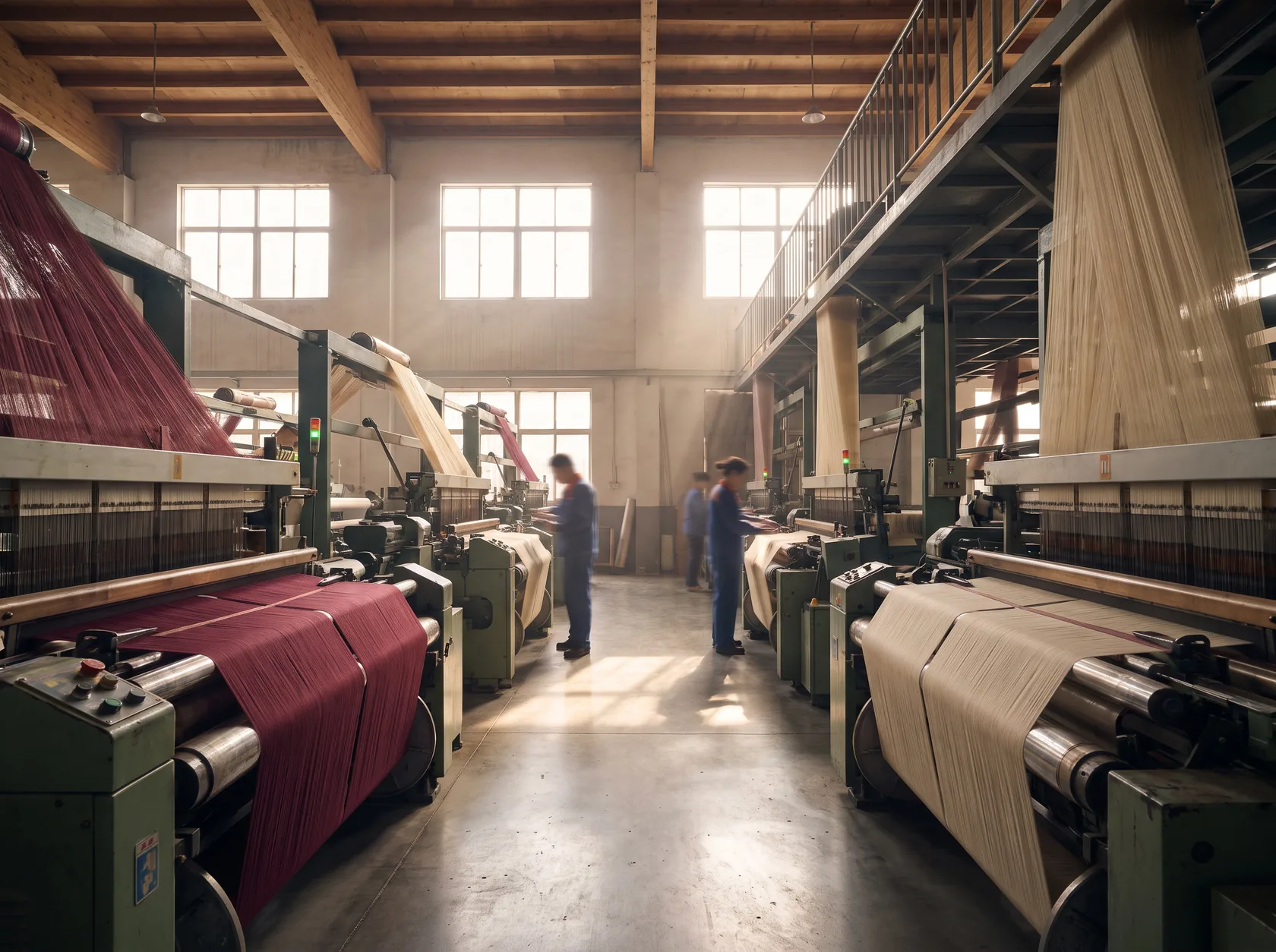
What makes Keqiao different from a single large mill isn't scale alone — it's density. Thousands of trading counters and the weaving and dyeing mills behind them operate within the same district, many specialising narrowly: one counter focused on velvets, another on jacquards, another on technical leather-look fabric. For a buyer, that means a genuine ability to compare composition, weight and finish across many suppliers in the same afternoon, rather than negotiating in isolation with whichever mill happened to answer first.
What it means for lead times
Density also compresses the sourcing side of the timeline. Finding two or three mills capable of producing a specific composition and weight is a matter of days rather than weeks, because so many of the relevant suppliers are concentrated in one place. It doesn't shorten weaving or dyeing time itself — that's a function of the fabric and the order volume — but it removes a meaningful chunk of the search time that would otherwise sit at the front of a sourcing timeline.
What it doesn't guarantee
Scale and density aren't the same as consistency. A market this large includes mills at very different quality tiers, and a fabric that reads well in a showroom sample doesn't automatically match on a 2,000-metre production run unless shade and composition are checked roll by roll. That's the gap a sourcing partner is meant to close — vetting which counters and mills consistently deliver what they sample, rather than leaving that discovery process to the buyer on their first order.
Why it matters beyond fabric
The same district supplies a meaningful share of the hardware and trim that goes into finished upholstered furniture — a practical reason fabric and hardware sourcing increasingly happen through the same desk rather than two unrelated supply chains an ocean apart from each other.
Sourcing fabric or hardware from the region for the first time? Our team can shortlist matching options against your current specification.